
Day 1
Arrival in Car-Free Zermatt
Arrive via the Matterhorn Gotthard Bahn train in Täsch, check into your Matterhorn-view hotel, and explore the historic wooden barns of Hinterdorf.
Gaze upon the majestic 4,478-meter pyramid of the Matterhorn, ride the Gornergrat cogwheel train, and explore the Glacier Paradise.
Iconic landmarks, architectural wonders, and scenic landscapes defining the character of Zermatt & The Matterhorn.
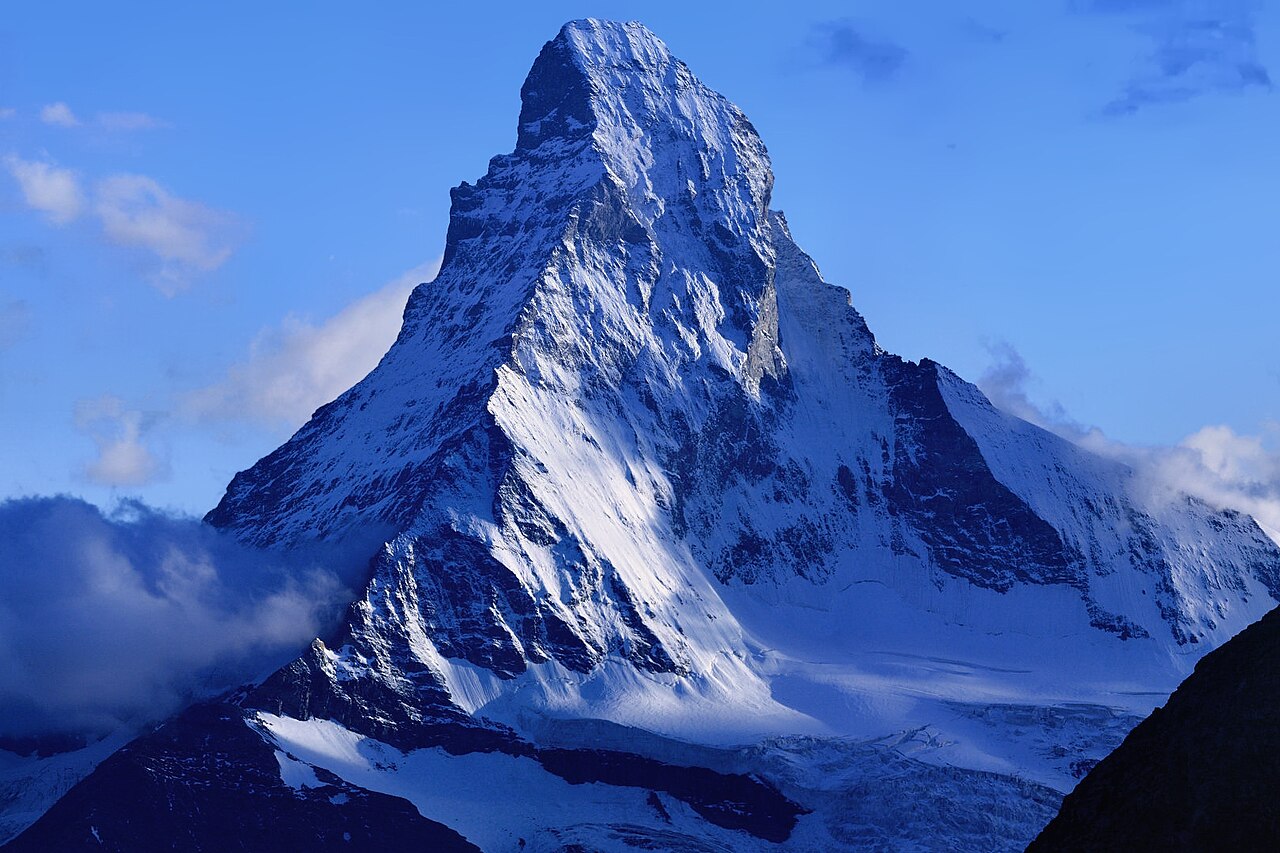
The world-famous 4,478-meter pyramidal rock peak towering dramatically above Zermatt on the border between Switzerland and Italy.
The world-famous 4,478-meter pyramidal rock peak towering dramatically above Zermatt on the border between Switzerland and Italy.
Tucked at the foot of the world's most photographed mountain, Zermatt is a postcard-perfect Swiss alpine village situated at 1,608 meters. Completely car-free, the village preserves charming sun-blackened larch wood chalets dating from the 16th century alongside world-renowned luxury mountain lodges and Michelin-starred dining.
The solitary, razor-sharp granite pyramid of the Matterhorn (4,478 meters) reigns supreme over every vantage point. Visitors can ride the Gornergrat cogwheel railway—Europe's highest open-air cogwheel train—for mirror reflections of the peak in Lake Riffelsee, or ascend via cable car to the Matterhorn Glacier Paradise at 3,883 meters.
Discover the celebrated cultural landmarks, panoramic viewpoints, and architectural treasures that define Zermatt & The Matterhorn.
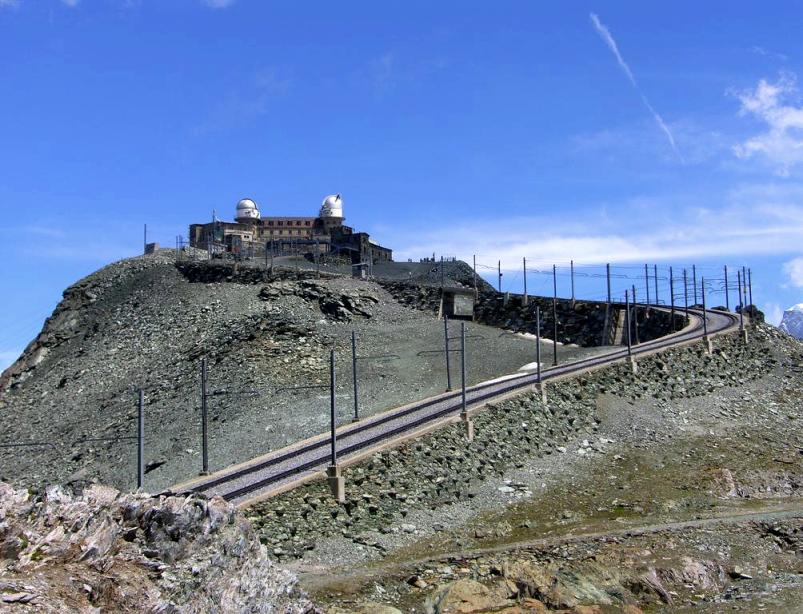
Ascend to 3,089 meters aboard Europe's historic electric cogwheel train for breathtaking panoramas of the Gorner Glacier and 29 peaks.
A thoughtfully paced day-by-day exploration sequence designed to experience the best of Zermatt & The Matterhorn without unnecessary transit rush.
Arrive via the Matterhorn Gotthard Bahn train in Täsch, check into your Matterhorn-view hotel, and explore the historic wooden barns of Hinterdorf.
Ride the cogwheel train to Gornergrat (3,089m), take in the glacier panoramas, hike down past Riffelsee lake, and dine in a traditional alpine Stube.
Ascend to the Glacier Paradise summit at 3,883 meters, tour the underground Ice Palace, and take an afternoon hike along the Five Lakes Trail.
* This is an illustrative suggested route. Pacing, day allocations, and points of interest can be customized based on your preferences.
Key travel considerations covering entry visas, seasonal weather, recommended duration, local transit, and etiquette.
To preserve its pristine alpine air and mountain atmosphere, private combustion engine vehicles have been prohibited in Zermatt since 1961. Travelers drive or take the train to the neighboring town of Täsch, where you board the shuttle train (departing every 20 minutes) for a 12-minute ride straight into Zermatt. Inside Zermatt, silent electro-taxis and horse carriages provide local transit.
The Matterhorn is most photogenic early in the morning, between 6:30 AM and 8:30 AM, before daily thermal updrafts cause cloud formations around the peak. In summer, Lake Riffelsee is calmest in early morning, providing mirror-like reflections.
Yes! Zermatt is one of the only ski resorts in Europe offering 365 days of skiing. The Theodul Glacier at the Matterhorn Glacier Paradise maintains up to 21 kilometers of open pistes during summer, used by recreational skiers and international Olympic ski teams alike.
Zermatt is the starting or terminus point for the legendary Glacier Express—"the slowest express train in the world." The 8-hour panoramic journey connects Zermatt to St. Moritz across 291 bridges, 91 tunnels, and the dramatic 2,033-meter Oberalp Pass.
Zermatt is famous for hearty Valais specialties: authentic Valais Raclette (melted cheese scraped hot over boiled potatoes and gherkins), Walliser Trockenfleisch (air-cured spiced beef), fondue moitié-moitié (Gruyère and Vacherin cheeses), and regional crisp Fendant white wine.