
Day 1
Arrival & Shibuya Skyline
Arrive in Tokyo, settle into your central hotel, and take an evening stroll through Shibuya Crossing before ascending Shibuya Sky for panoramic night views.
From neon-lit Shibuya crossings to peaceful Asakusa shrines and world-class gastronomy, discover the contrasting layers of Japan's dynamic capital.
Iconic landmarks, architectural wonders, and scenic landscapes defining the character of Tokyo.
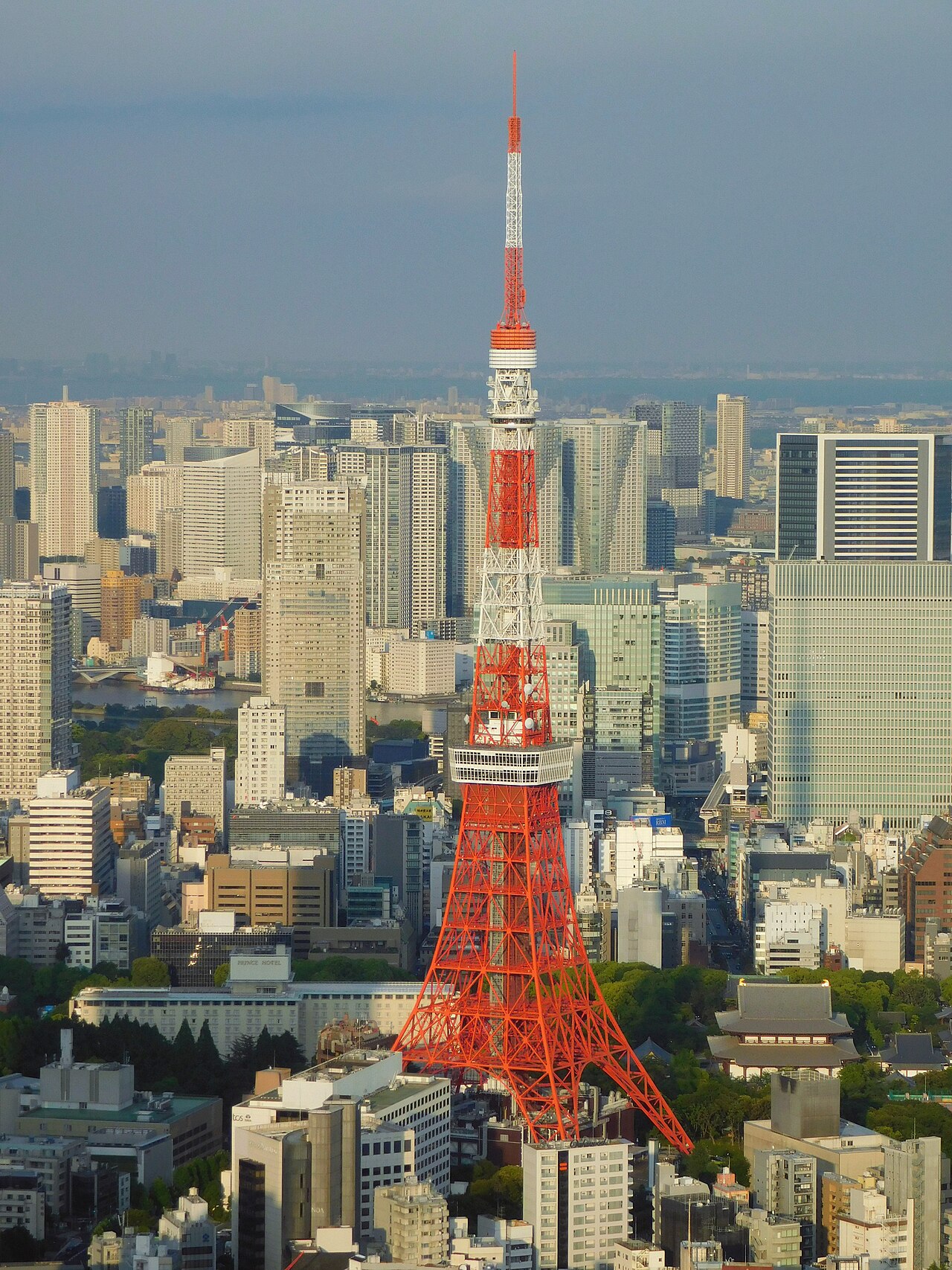
The iconic 333-meter communications and observation tower in Minato, offering sweeping views across the metropolis to Mount Fuji.
The iconic 333-meter communications and observation tower in Minato, offering sweeping views across the metropolis to Mount Fuji.
Tokyo is a dynamic metropolis where futuristic skyscrapers and neon-lit avenues coexist seamlessly with centuries-old temples and quiet neighborhood shrines. Each distinct district functions almost like its own city, from the fashion runways of Harajuku and Ginza to the electronic hubs of Akihabara.
Beyond its cutting-edge architecture and efficient transit, Tokyo is celebrated as the world's premier culinary capital, boasting more Michelin stars than any other city alongside humble ramen alleys, tranquil tea houses, and scenic waterfront promenades.
Discover the celebrated cultural landmarks, panoramic viewpoints, and architectural treasures that define Tokyo.
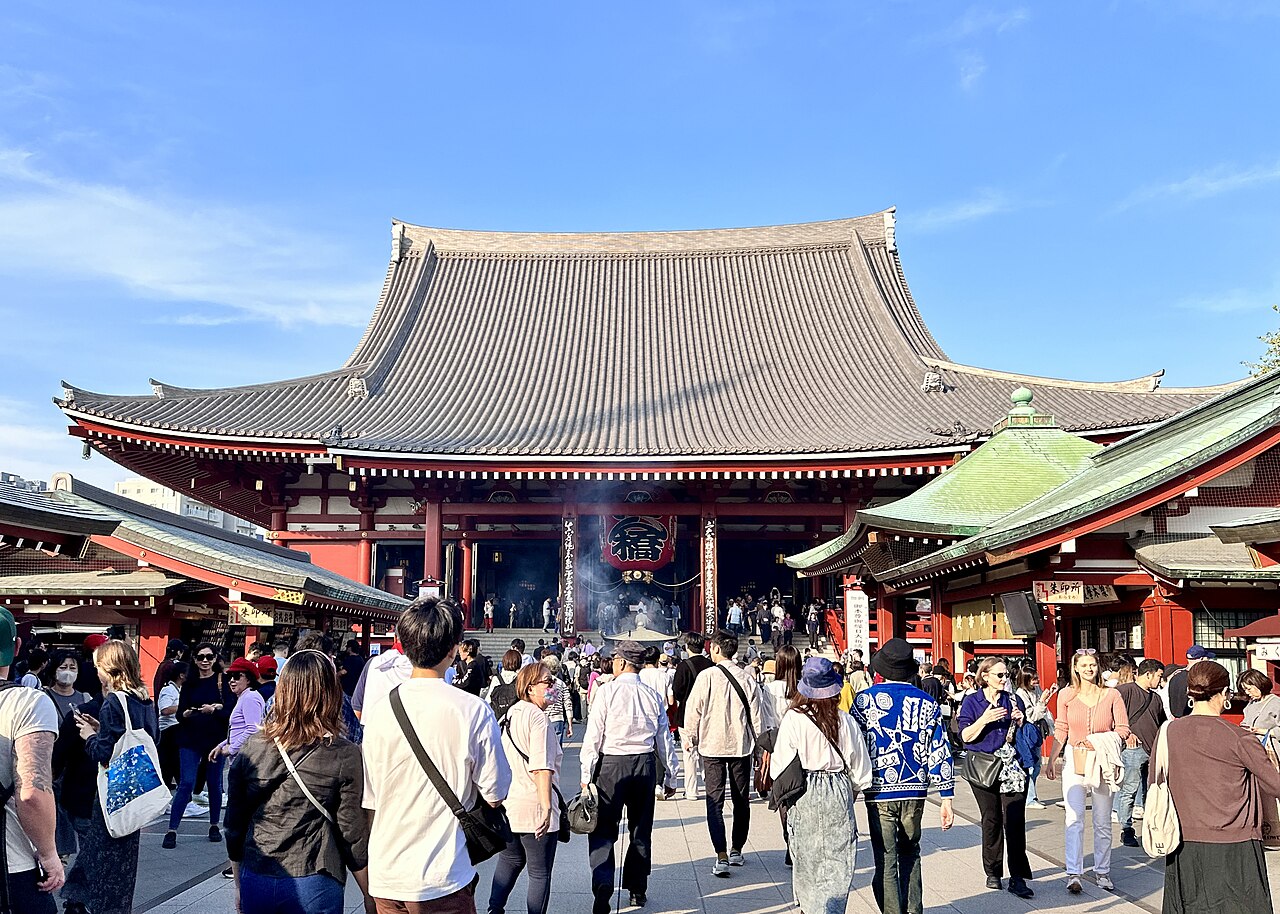
Wander through the Thunder Gate and down Nakamise-dori shopping street to Tokyo's most revered ancient Buddhist sanctuary.
A thoughtfully paced day-by-day exploration sequence designed to experience the best of Tokyo without unnecessary transit rush.
Arrive in Tokyo, settle into your central hotel, and take an evening stroll through Shibuya Crossing before ascending Shibuya Sky for panoramic night views.
Explore ancient Senso-ji temple and Nakamise-dori in the morning, followed by a scenic Sumida River water bus cruise to the landscaped Hamarikyu Gardens.
Immerse in futuristic digital art installations at teamLab Planets in Toyosu, followed by afternoon architecture and boutique shopping along Ginza's grand boulevard.
Sample fresh seafood, matcha treats, and tamagoyaki at Tsukiji Outer Market, then spend the evening exploring Shinjuku's vibrant entertainment quarters.
Walk through the forested pathways of Meiji Jingu shrine before discovering contemporary street style on Takeshita Street and tree-lined Omotesando avenue.
* This is an illustrative suggested route. Pacing, day allocations, and points of interest can be customized based on your preferences.
Key travel considerations covering entry visas, seasonal weather, recommended duration, local transit, and etiquette.
Citizens from over 65 countries—including the United States, United Kingdom, Canada, Australia, and EU member states—enjoy visa-free entry to Japan for tourism stays up to 90 days. Travelers holding passports from countries requiring an entry visa can apply through Japan's official eVisa system or their local Japanese consulate with standard itinerary documentation.
Spring (late March through April) offers iconic cherry blossoms and pleasant temperatures around 16°C–20°C. Autumn (October through November) brings crisp, clear days with stunning fall foliage in Tokyo's public parks. Winter is generally sunny and dry, while summer (July–August) is hot and humid with lively evening street festivals.
A stay of 5 to 7 days is ideal to explore Tokyo's major districts—such as Shinjuku, Shibuya, Asakusa, Ginza, and Ueno—without feeling rushed, while allowing time for a day trip to Mount Fuji, Kamakura, or Nikko.
Tokyo possesses one of the world's cleanest, most punctual transit networks. The JR Yamanote loop line connects major hubs, while the Tokyo Metro and Toei subway networks reach every neighborhood. Visitors should pick up a rechargeable IC card (Suica or Pasmo) or digital smartphone card for frictionless tap-and-go travel.
Credit cards and mobile payments (Apple Pay, contactless IC cards) are widely accepted across department stores, hotels, and convenience stores, though carrying cash (Japanese Yen) remains essential for traditional shrines, small ramen shops, and vending machines. Tipping is not customary in Japan and can cause confusion; excellent service is considered the standard.