
Day 1
Arrival & Piazza Navona Sunset
Arrive in Rome, check into your historic center hotel, and take an evening stroll past the Trevi Fountain, Pantheon, and lively Piazza Navona.
Walk in the footsteps of emperors and gladiators among ancient ruins, Renaissance basilicas, and vibrant sun-drenched piazzas.
Iconic landmarks, architectural wonders, and scenic landscapes defining the character of Rome.
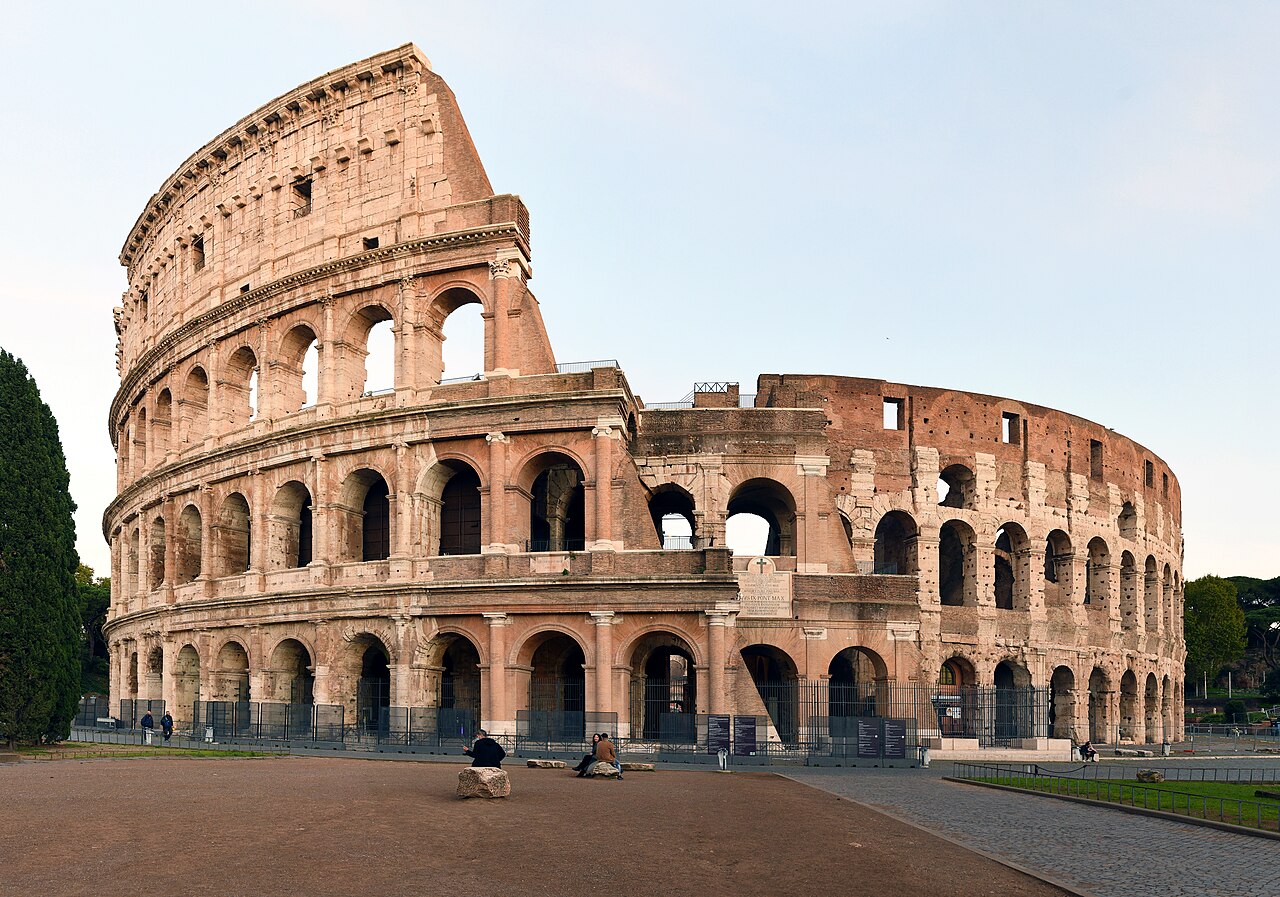
The monumental Flavian amphitheater constructed in 72–80 AD, capable of holding over 50,000 spectators for ancient Roman gladiatorial contests.
The monumental Flavian amphitheater constructed in 72–80 AD, capable of holding over 50,000 spectators for ancient Roman gladiatorial contests.
Rome is an open-air museum where nearly three millennia of globally influential art, architecture, and culture converge along the banks of the Tiber River. Ancient ruins like the Colosseum and Roman Forum stand in breathtaking juxtaposition beside Baroque fountains and buzzing espresso bars.
From the sovereign spiritual sanctuary of Vatican City and Michelangelo's Sistine Chapel ceiling to atmospheric cobblestone alleys in Trastevere, Rome captivates travelers with monumental scale, world-renowned pasta traditions, and romantic evening piazzas.
Discover the celebrated cultural landmarks, panoramic viewpoints, and architectural treasures that define Rome.
Walk the historic arena perimeter and wander among the ruins of temples and basilicas where Roman senators once debated.
A thoughtfully paced day-by-day exploration sequence designed to experience the best of Rome without unnecessary transit rush.
Arrive in Rome, check into your historic center hotel, and take an evening stroll past the Trevi Fountain, Pantheon, and lively Piazza Navona.
Explore the interior of the Colosseum, climb the Palatine Hill overlooking imperial palaces, and walk along the Via Sacra through the Roman Forum.
Tour the vast Vatican Museums, stand in awe beneath the Sistine Chapel ceiling, and admire the majestic interior of St. Peter's Basilica.
Admire Bernini and Caravaggio masterpieces in Villa Borghese gardens, then spend the evening savoring authentic Roman carbonara across the Tiber in Trastevere.
* This is an illustrative suggested route. Pacing, day allocations, and points of interest can be customized based on your preferences.
Key travel considerations covering entry visas, seasonal weather, recommended duration, local transit, and etiquette.
Italy is a member of the Schengen Area. Passports from the US, UK, Canada, Australia, and over 50 other nations permit visa-free travel for tourism stays up to 90 days within any 180-day window. Travelers requiring a Schengen Visa must apply through the Italian consulate or visa center in their home country.
Spring (April to May) and Autumn (September to October) offer the most pleasant weather, with sunny days averaging 20°C–24°C and comfortable walking conditions. July and August can be intensely hot with highs exceeding 36°C, while winter (December to February) is mild and significantly less crowded.
A minimum of 4 to 5 days is recommended to explore Rome's iconic ancient sites, the Vatican Museums, historic piazzas, and art galleries at an enjoyable pace without exhausting yourself on cobblestone streets.
Rome has two main metro lines (Line A and Line B) intersecting at Roma Termini central station, plus extensive bus and tram networks. However, the historic center is compact and best explored on foot. Contactless credit cards and Rome transit tickets (BIT tickets) can be tapped directly at turnstiles.
When visiting St. Peter's Basilica, the Vatican, or any Roman Catholic church, a modest dress code is strictly enforced: shoulders and knees must be covered for all visitors. In Italian restaurants, a coperto (cover charge) is customary; large tips are not expected, though rounding up or leaving a few euros for attentive table service is appreciated.