
Day 1
Arrival via Shinkansen & Gion Evening
Arrive via bullet train, check into your traditional ryokan, and enjoy an evening walking tour of the lantern-lit Gion district.
Step into Japan's historic imperial heart, where moss-covered Zen temples, lantern-lit geisha districts, and bamboo groves flourish.
Iconic landmarks, architectural wonders, and scenic landscapes defining the character of Kyoto.
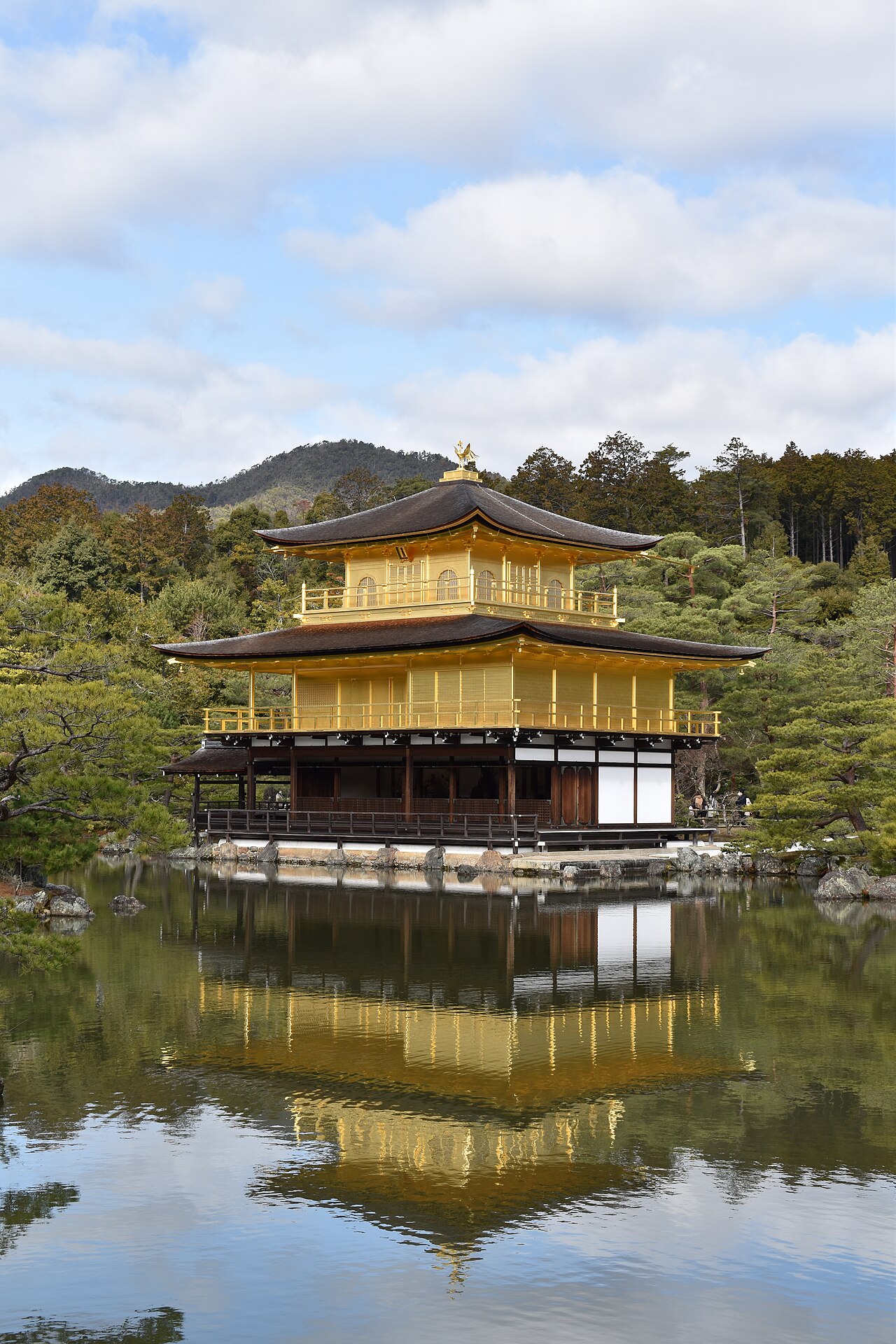
A Zen Buddhist temple whose top two floors are completely covered in pure gold leaf, reflected gracefully in the mirror pond Kyōko-chi.
A Zen Buddhist temple whose top two floors are completely covered in pure gold leaf, reflected gracefully in the mirror pond Kyōko-chi.
Kyoto served as the imperial capital of Japan for over a thousand years, from 794 to 1868. Today, it remains the spiritual center of traditional Japanese culture, preserving more than 1,600 historic Buddhist temples, 400 Shinto shrines, and 17 UNESCO World Heritage monuments.
From the iconic vermilion gates of Fushimi Inari climbing sacred Mount Inari to the quiet bamboo groves of Arashiyama and the preserved wooden machiya townhouses of Gion, Kyoto provides an unforgettable window into classical Japanese aesthetics, architecture, and mindfulness.
Discover the celebrated cultural landmarks, panoramic viewpoints, and architectural treasures that define Kyoto.
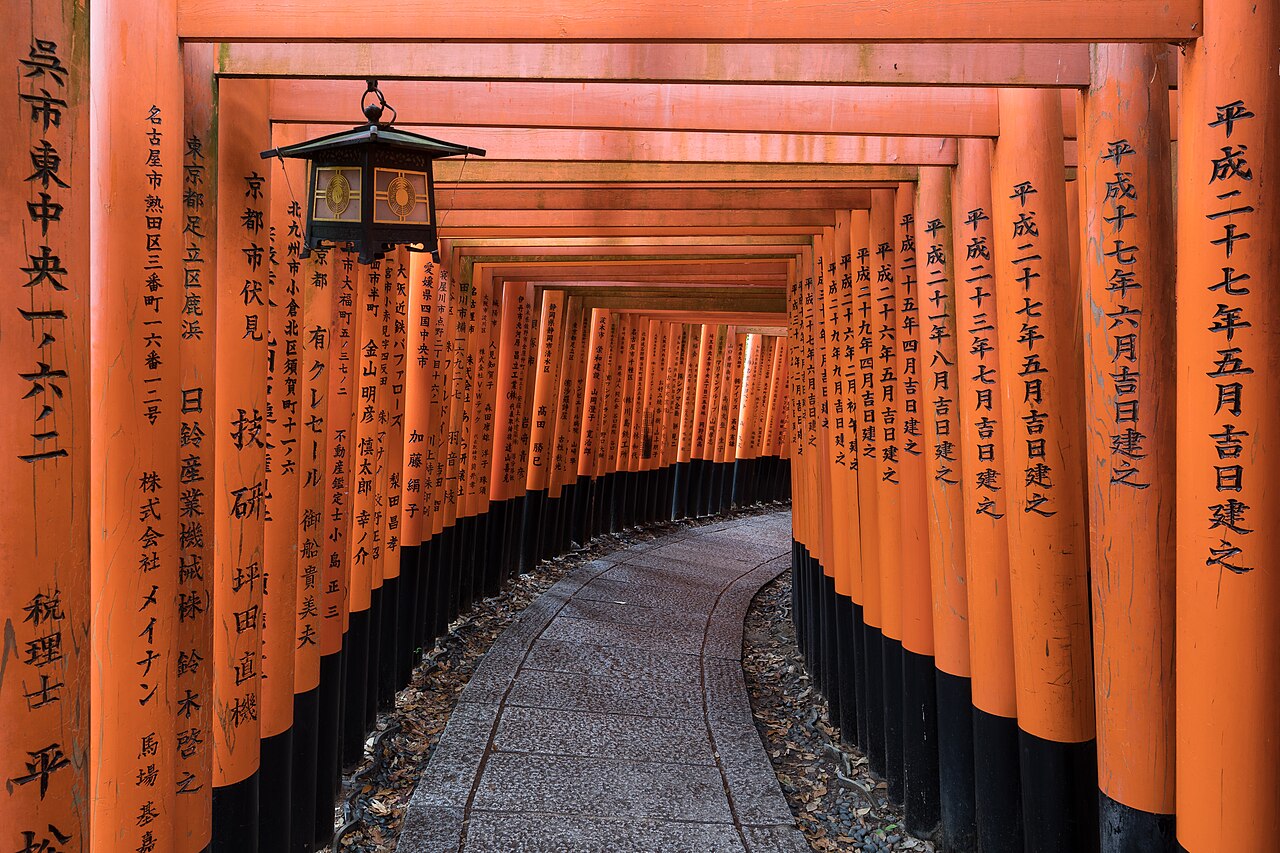
Walk beneath thousands of vivid vermilion torii gates curving through sacred mountain woodlands, best enjoyed in the peaceful morning light.
A thoughtfully paced day-by-day exploration sequence designed to experience the best of Kyoto without unnecessary transit rush.
Arrive via bullet train, check into your traditional ryokan, and enjoy an evening walking tour of the lantern-lit Gion district.
Visit Kinkaku-ji early to witness the sun reflecting off the gold leaf, followed by quiet contemplation at Ryoan-ji's famous 15-stone Zen dry landscape garden.
Hike through the thousands of torii gates at Fushimi Inari at dawn, followed by an authentic Uji matcha ceremony and a visit to Kiyomizu-dera.
Morning exploration of Arashiyama Bamboo Grove, Tenryu-ji temple, and a scenic ride on the Sagano romantic train along the Hozu River.
* This is an illustrative suggested route. Pacing, day allocations, and points of interest can be customized based on your preferences.
Key travel considerations covering entry visas, seasonal weather, recommended duration, local transit, and etiquette.
The Tokaido Shinkansen (high-speed bullet train) connects Tokyo Station to Kyoto Station in just 2 hours and 15 minutes on the Nozomi service. Trains depart every few minutes, offering comfortable seating, luggage storage, and views of Mount Fuji on the right side when traveling west.
Cherry blossoms generally bloom between late March and early April, transforming canal banks like the Philosopher's Path into pink tunnels. Autumn foliage peaks in mid-to-late November, illuminating temples like Tofuku-ji, Kiyomizu-dera, and Eikando with brilliant crimson and amber maple canopies.
At least 3 to 4 full days are recommended to see Kyoto's primary temple zones—Eastern Kyoto (Higashiyama), Western Kyoto (Arashiyama), and Northern Kyoto—at an enjoyable pace without rushing through sacred sites.
Kyoto is well-served by a combination of municipal subways, regional rail lines (JR, Hankyu, Keihan), and an extensive city bus network. Digital IC cards (Suica, Pasmo, Icoca) work seamlessly on all lines. Rental bicycles and walking are also popular in flat districts like Higashiyama.
Visitors should speak quietly, remove footwear when entering wooden temple halls, avoid photographing geiko or maiko on private streets in Gion, and refrain from eating or drinking while walking through sacred temple grounds.