
Day 1
Arrival at South Rim & Sunset
Arrive at Grand Canyon Village, check into your historic park lodge, and watch the sunset cast deep purple shadows from Mather Point or Hopi Point.
Gaze into the 1,800-meter deep abyss of the Grand Canyon South Rim, marvel at Antelope Canyon, and Horseshoe Bend.
Iconic landmarks, architectural wonders, and scenic landscapes defining the character of Grand Canyon & Northern Arizona.
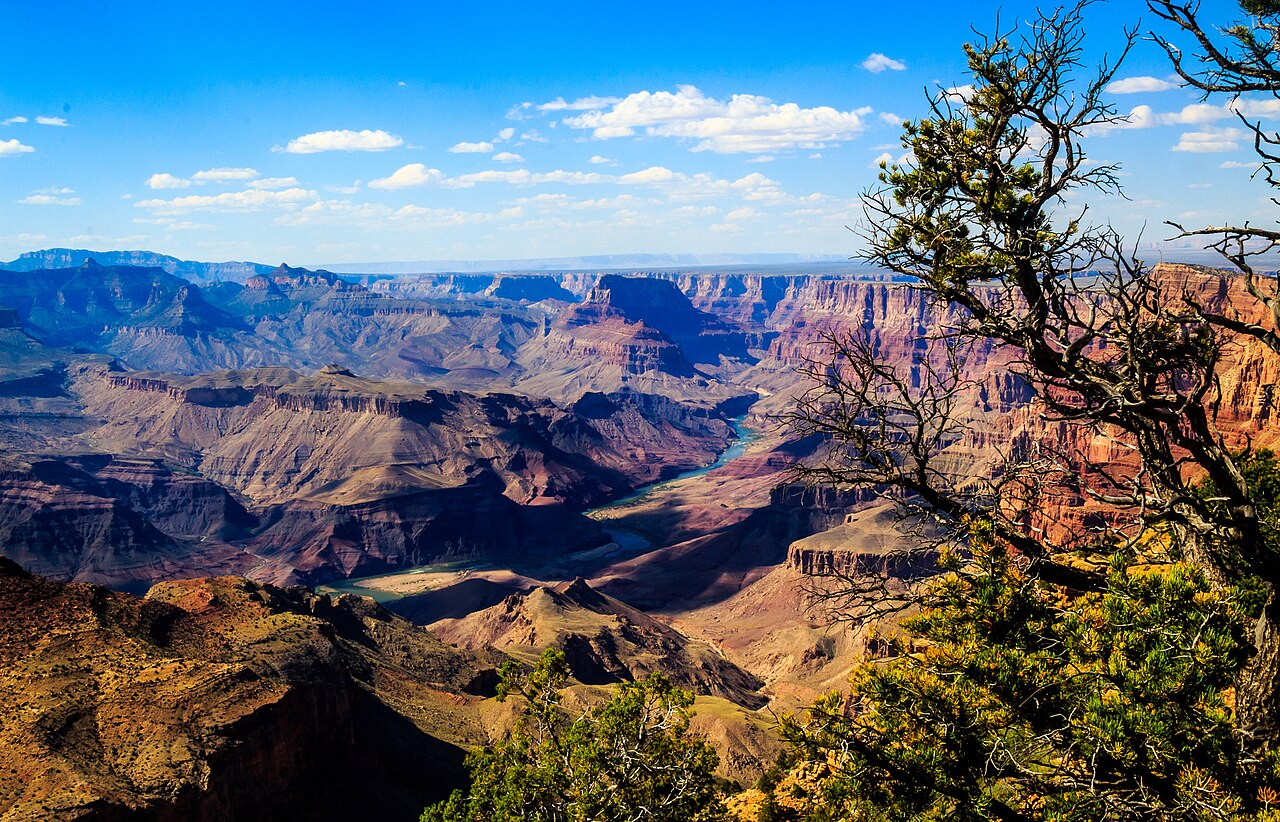
The vast, multi-layered red rock gorge carved by the Colorado River, revealing two billion years of geological history.
The vast, multi-layered red rock gorge carved by the Colorado River, revealing two billion years of geological history.
Carved over six million years by the relentless turquoise and red waters of the Colorado River, the Grand Canyon in northern Arizona is one of the Seven Natural Wonders of the World. Stretching 277 miles long, up to 18 miles wide, and over a mile deep, its layered red rock strata reveal nearly two billion years of Earth's geological history.
From the sweeping, easily accessible overlooks of the South Rim—including Mather Point and Desert View Watchtower—to neighboring natural wonders in Page, Arizona like the slot canyon light beams of Antelope Canyon and the 270-degree curve of Horseshoe Bend, this desert canyon country is an essential pilgrimage.
Discover the celebrated cultural landmarks, panoramic viewpoints, and architectural treasures that define Grand Canyon & Northern Arizona.
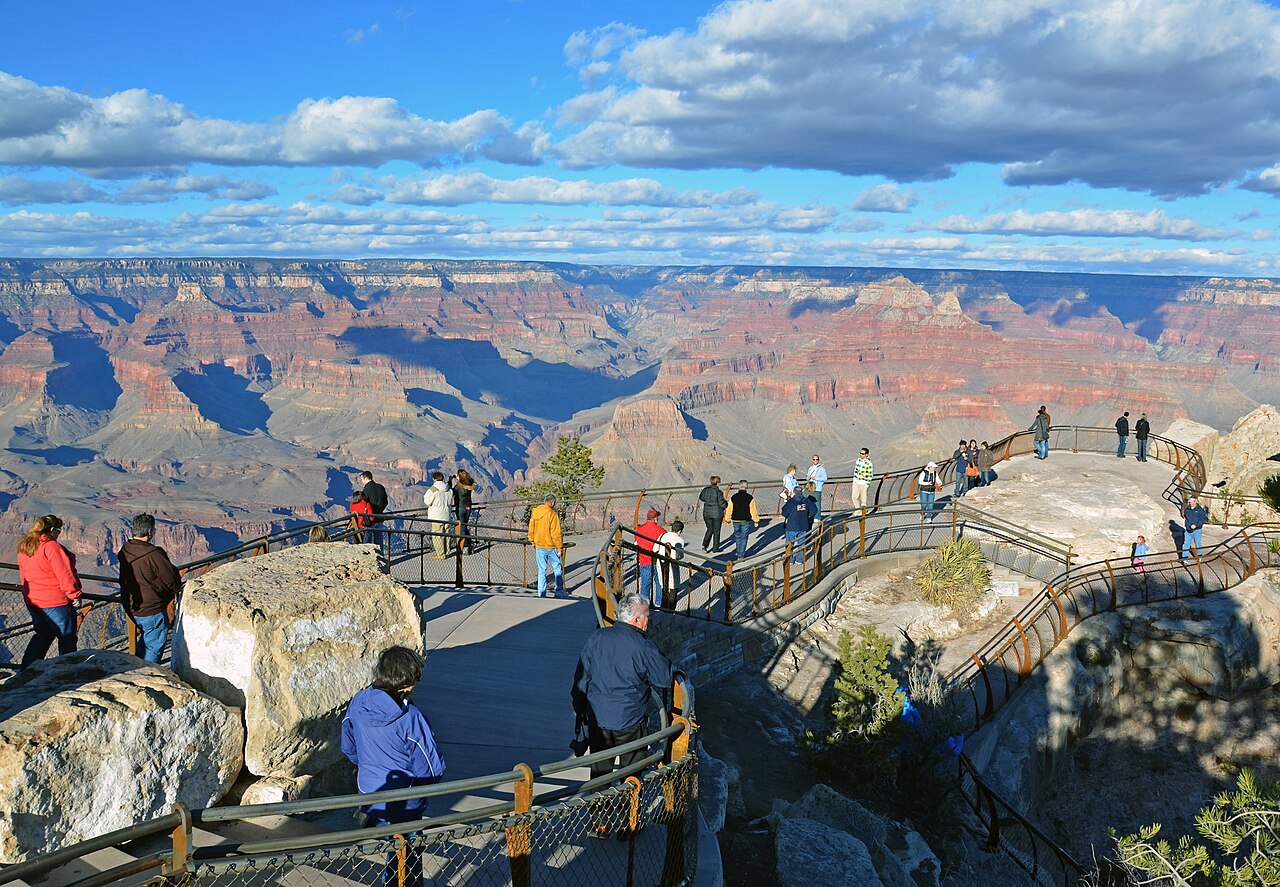
Stand on the railed overlook as the dawn sun slowly illuminates the layered limestone, sandstone, and shale formations with fiery color.
A thoughtfully paced day-by-day exploration sequence designed to experience the best of Grand Canyon & Northern Arizona without unnecessary transit rush.
Arrive at Grand Canyon Village, check into your historic park lodge, and watch the sunset cast deep purple shadows from Mather Point or Hopi Point.
Walk a portion of the South Rim Trail, visit the Yavapai Geology Museum, and drive east past Moran Point to the historic Desert View Watchtower.
Drive north to Page, Arizona (2 hours), hike to Horseshoe Bend overlook, and take a guided tour through the light-beam corridors of Upper or Lower Antelope Canyon.
* This is an illustrative suggested route. Pacing, day allocations, and points of interest can be customized based on your preferences.
Key travel considerations covering entry visas, seasonal weather, recommended duration, local transit, and etiquette.
The South Rim is part of Grand Canyon National Park, open year-round, and features the deepest, most iconic multi-layered views, historic lodges, and National Park visitor facilities. The West Rim is located on Hualapai tribal land closer to Las Vegas (home to the glass-bottomed Grand Canyon Skywalk).
Spring (April to May) and Autumn (September to October) are the best months, featuring clear skies and pleasant daytime temperatures (16°C–22°C). Summer (June–August) is very busy on the rim and dangerously hot (often over 40°C) inside the canyon. Winter brings snow that dusts the red rock layers beautifully.
Yes! Antelope Canyon is located on Navajo Nation land and can only be visited on a guided tour with an authorized Navajo guide. Tickets for both Upper and Lower Antelope Canyon frequently sell out months in advance, especially for prime mid-day slots when sunbeams penetrate the canyon.
The National Park Service strictly advises against attempting to hike from the rim to the Colorado River and back in a single day, particularly during summer. The 1,400-meter elevation descent and steep climb back in extreme desert heat leads to numerous heatstroke rescues every year. Shorter hikes like Cedar Ridge on South Kaibab Trail are recommended for day hikers.
The South Rim is easily reached by car or tour bus from Las Vegas (about 4.5 hours drive) or Phoenix Sky Harbor Airport (about 3.5 hours drive). Scenic flights and Grand Canyon Railway trains from Williams, Arizona also provide historic access.